Most sewer line problems don't start with sewage backing up into a shower or toilet. They usually begin with smaller warning signs that are easy to dismiss.
Maybe a drain keeps slowing down even after you've cleared it. Maybe you hear an occasional gurgle after flushing a toilet. Or perhaps there's a spot in the yard that never seems to dry out.
Because the main sewer line is buried underground, homeowners often don't realize there's a problem until it affects multiple fixtures or causes a backup. By then, what could have been a straightforward repair may have become a much bigger project.
Knowing what to watch for can help you catch sewer line issues early and avoid the disruption that comes with a plumbing emergency.
Why Sewer Line Problems Often Go Undetected
Every drain in your home eventually connects to the main sewer line. Whether water leaves through a kitchen sink, bathroom shower, laundry drain, or toilet, it all flows through the same underground pipe before reaching the municipal sewer system.
When a problem develops in that line, the symptoms don't always appear where the actual damage exists.
A crack, root intrusion, pipe belly, or developing blockage can slowly affect drainage throughout the home long before a complete backup occurs. Because these issues typically worsen gradually, homeowners often assume they're dealing with isolated drain clogs rather than a sewer line problem.
Multiple Slow Drains Throughout the House
One slow sink usually isn't cause for concern.
Hair, soap residue, food debris, and grease can all create localized clogs that affect a single fixture.
The situation becomes more concerning when multiple drains begin slowing down at the same time.
For example:
- A bathroom sink drains slowly, while the shower also struggles
- The washing machine causes water to back up elsewhere
- Several fixtures seem sluggish throughout the home
When multiple fixtures are affected, the restriction is often deeper within the plumbing system rather than inside a single drain.
This is one of the most common early signs of a sewer line issue.
Gurgling Sounds from Toilets and Drains
Plumbing systems are designed to move both water and air.
When wastewater encounters a blockage or restriction in the sewer line, air can become trapped and forced back through nearby fixtures.
That often creates:
- Bubbling sounds in drains
- Gurgling toilets
- Noises from sinks after flushing
- Strange sounds from tubs that aren't being used
These noises may seem harmless at first, but they often indicate the system isn't venting or draining properly.
Recurring gurgling deserves attention, especially when combined with other symptoms.
Sewer Odors That Keep Returning
A sewer smell that appears once doesn't automatically mean there's a major problem.
Sometimes, a rarely used drain simply has a dry trap. However, persistent sewer odors are different.
If unpleasant smells continue returning after cleaning, running water, or ventilating the area, the issue may involve:
- Cracked sewer piping
- Damaged connections
- Sewer gas escaping from the system
- A developing sewer line defect
When odors appear in multiple rooms or continue for days at a time, it's worth investigating further.
Unusually Green or Wet Areas in the Yard
Many sewer line warning signs appear outside the home. One of the most common is a section of grass that looks noticeably greener than the surrounding lawn.
Because leaking wastewater acts as a fertilizer, the affected area may grow faster, stay greener longer, or remain lush even during hot weather.
Other outdoor warning signs include:
- Soggy ground
- Muddy patches during dry weather
- Soft spots in the yard
- Areas that seem to sink over time
If these conditions line up with the path of your sewer line, a leak may be allowing wastewater to escape underground.
Recurring Drain Problems That Never Fully Go Away
Most homeowners expect a clog to stay gone after it's cleared.
When the same drain problem keeps returning, it often suggests the underlying cause hasn't been addressed.
You might notice:
- The same toilet clogging repeatedly
- Frequent kitchen drain backups
- Slow drains that return after snaking
- Temporary improvements followed by recurring issues
Tree roots, pipe damage, heavy buildup, and partial collapses can all create recurring symptoms that basic drain cleaning may only temporarily relieve.
When a problem repeatedly comes back, it's usually time to look deeper into the system.
Why Store-Bought Drain Cleaners Often Miss the Real Problem
Chemical drain cleaners may seem like a quick solution, but they're rarely effective against sewer line issues.
They can sometimes help with small accumulations of soap, grease, or hair near a fixture. They cannot repair:
- Cracked pipes
- Root intrusion
- Pipe bellies
- Collapsed sections
- Structural sewer damage
In older plumbing systems, repeated use of harsh chemicals may even contribute to pipe deterioration.
If a drain cleaner temporarily improves flow but the problem returns shortly afterward, the issue likely extends beyond the fixture itself.
Why Sewer Line Problems Are Common in Older Homes
Older neighborhoods throughout the Inland Empire often have sewer systems that have been underground for decades.
As pipes age, they become more vulnerable to:
- Joint separation
- Corrosion
- Root intrusion
- Cracking
- Shifting soil conditions
Tree roots are especially aggressive because they naturally seek moisture. Even a small opening in a sewer line can attract roots, which continue growing once they find a water source.
Over time, what starts as a minor intrusion can become a significant blockage.
Older clay and cast-iron sewer lines are particularly susceptible to these issues.
When a Sewer Camera Inspection Makes Sense
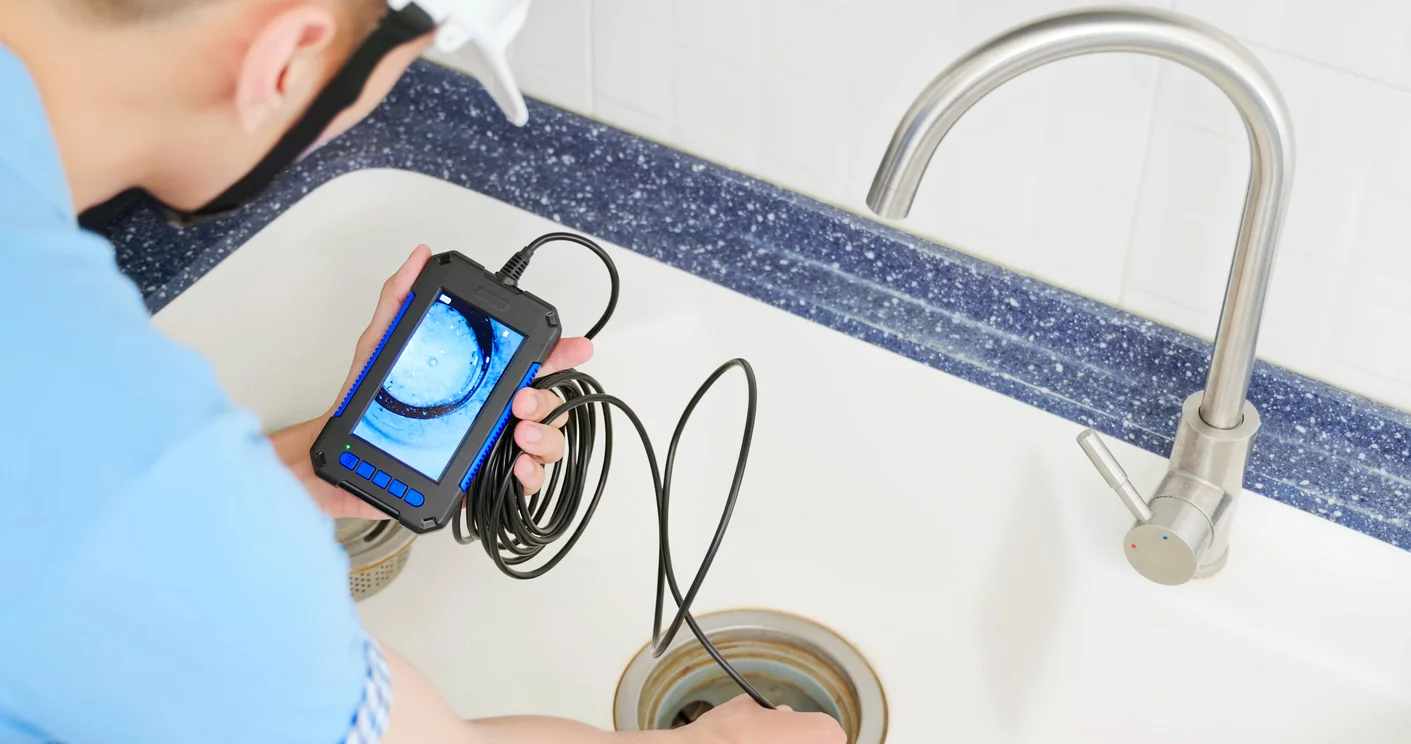
One of the most effective ways to diagnose sewer line problems is with a sewer camera inspection.
Rather than guessing at the cause, a camera allows plumbers to see exactly what's happening inside the pipe.
A camera inspection can identify:
- Root intrusion
- Pipe cracks
- Blockages
- Pipe bellies
- Corrosion
- Collapsed sections
Because it provides a direct view of the problem, it helps determine whether drain cleaning, sewer repair, trenchless sewer repair, or replacement is the most appropriate solution.
When to Call a Plumber Right Away
Some sewer line symptoms can wait a few days for a scheduled inspection.
Others should be addressed immediately.
Contact a plumber promptly if you notice:
- Sewage backing up into tubs or showers
- Wastewater surfacing outdoors
- Multiple fixtures backing up simultaneously
- Strong sewer odors throughout the home
- Rapidly worsening drainage problems
These situations often indicate a significant blockage or sewer line failure that requires professional attention.
Addressing Sewer Problems Before They Become Emergencies
Sewer line issues rarely appear without warning.
Slow drains, recurring clogs, gurgling fixtures, sewer odors, and unusual changes in the yard are often signs that something is developing underground.
The earlier these warning signs are investigated, the more options homeowners typically have for repairs. In many cases, identifying the problem early can help avoid extensive property damage, emergency service calls, and unexpected disruptions.
If you're experiencing recurring drainage problems, sewer odors, or other signs of a potential sewer line issue, Scott McLeod Plumbing provides sewer inspections, drain services, sewer repairs, and emergency plumbing services throughout the Inland Empire.
Call us at (909) 346-2737 or visit our online booking page to schedule an inspection or discuss your concerns.
FAQs
How do I know if I have a sewer line problem or just a clogged drain?
A single slow drain is often a localized clog. When multiple drains throughout the home are affected, the issue is more likely related to the main sewer line.
Can tree roots damage sewer lines?
Yes. Tree roots frequently enter sewer lines through small cracks or joints and can eventually create major blockages or pipe damage.
What causes sewer lines to fail?
Common causes include aging pipes, root intrusion, corrosion, shifting soil, heavy buildup, and physical damage to the line.
Is a sewer camera inspection worth it?
A sewer camera inspection provides a clear view of the inside of the pipe and helps identify the exact cause and location of the problem before repairs begin.
Can sewer line problems cause bad smells inside the house?
Yes. Cracks, leaks, and damaged sewer piping can allow sewer gases to enter the home and create persistent odors.